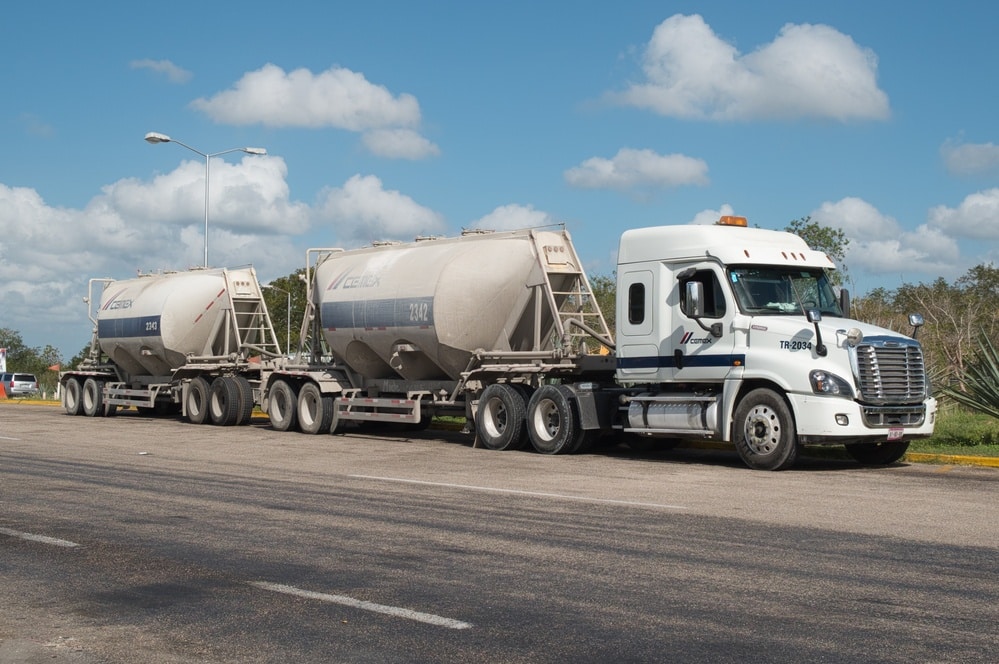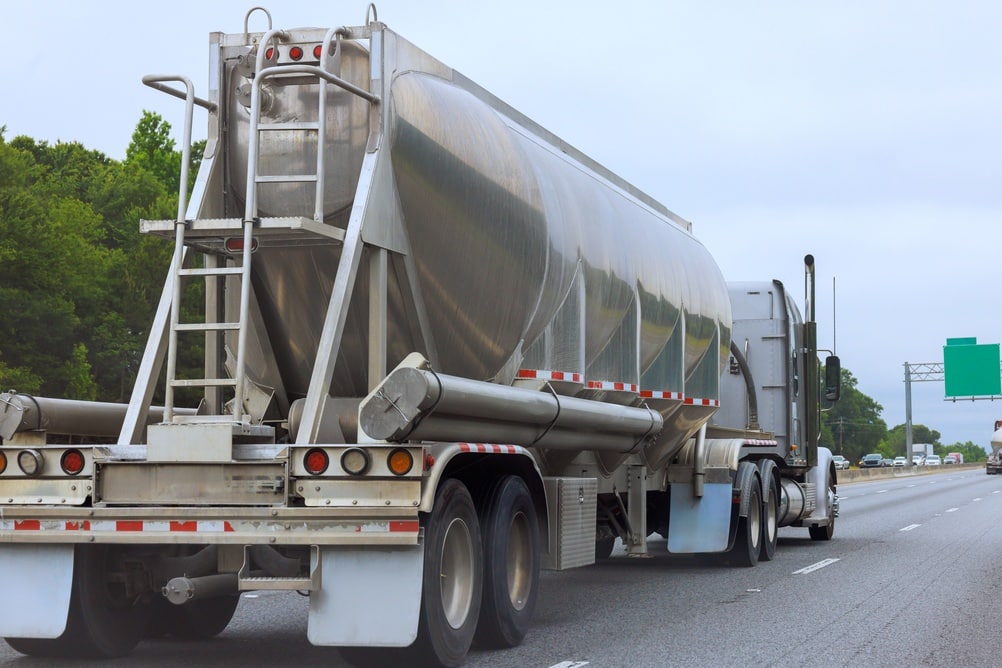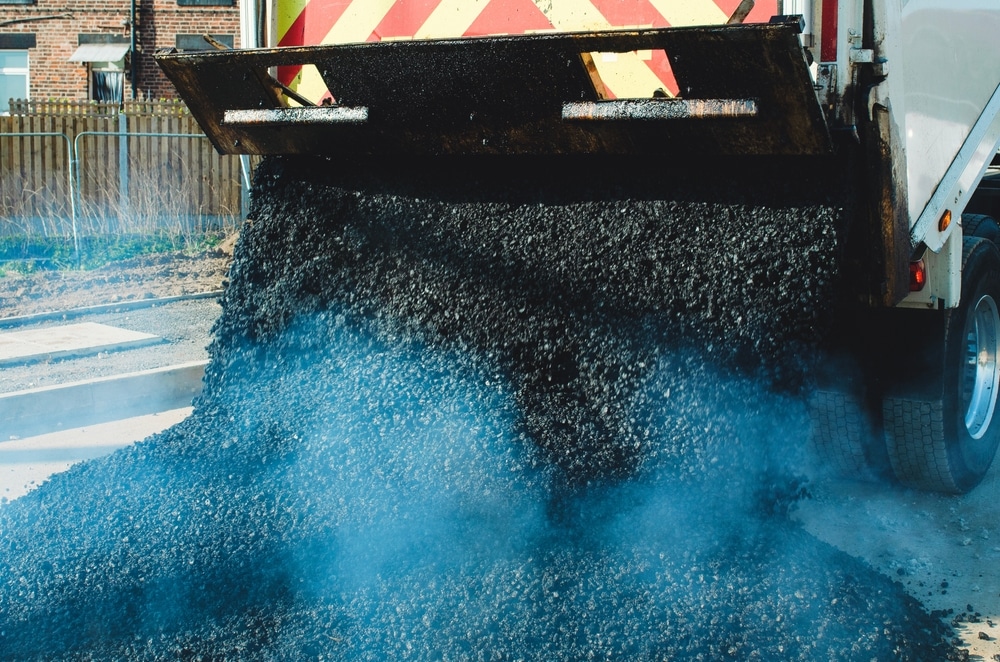
Seasonal demand is a defining challenge in the asphalt and emulsion hauling industry. As temperatures rise, road construction, paving projects, and infrastructure upgrades accelerate almost overnight. Without the right asphalt hauling logistics strategy in place, fleets can quickly become overwhelmed, leading to missed deadlines, equipment failures, and frustrated customers.
Managing these seasonal surges requires foresight, flexibility, and strong operational planning. With the right approach, companies can turn peak season pressure into an opportunity for growth and reliability.
Why Seasonal Demand Surges Matter in Asphalt Hauling
Unlike many freight sectors, asphalt hauling is deeply tied to weather conditions. Warmer months bring higher production volumes, tighter delivery windows, and increased pressure on equipment and drivers. Emulsion hauling follows similar patterns, often tied to road maintenance schedules and municipal planning cycles.
Failing to prepare for these spikes can result in:
- Equipment downtime during critical weeks
- Driver shortages when demand peaks
- Missed delivery windows that delay paving crews
- Increased operational costs from emergency fixes
Proactive planning is essential for keeping operations smooth when demand ramps up.
Forecast Based on Historical Data
The most effective way to prepare for seasonal surges is to look backward before moving forward. Historical data provides valuable insight into when demand peaks, how long it lasts, and what resources are required.
Key Data Points to Analyze
- Load volumes by month
- Customer demand trends
- Equipment utilization rates
- Weather patterns and construction schedules
By analyzing previous peak seasons, dispatchers and operations teams can accurately anticipate load requirements and allocate resources accordingly. Strong forecasting allows asphalt hauling logistics teams to plan staffing, maintenance, and routing well in advance.
Schedule Preventive Maintenance Early
Nothing disrupts peak season operations faster than unexpected breakdowns. Preventive maintenance should be scheduled well before demand surges begin.
Maintenance Priorities
- Pumps and valves
- Heating systems for asphalt tankers
- Tires, brakes, and suspension components
- Temperature control and monitoring systems
Servicing vehicles early reduces the risk of costly downtime during the busiest months. Well-maintained equipment also improves safety and fuel efficiency, which becomes even more important when fleets are operating at full capacity.
Implement Flexible Staffing Strategies
Labor shortages are common during peak hauling seasons. Flexible staffing models help ensure adequate driver coverage when volume spikes.
Effective Staffing Approaches
- Hiring seasonal or temporary drivers
- Cross-training existing drivers for asphalt and emulsion hauling
- Adjusting shift schedules to maximize coverage
Cross-trained crews provide added resilience, allowing companies to adapt quickly when demand fluctuates. This flexibility is a critical component of scalable asphalt hauling logistics.
Partner with Backup Suppliers
Even the best-prepared fleets can face unexpected surges. Partnering with backup suppliers provides an extra layer of protection.
Backup Resources May Include
- Secondary pump suppliers
- Additional tanker capacity
- Third-party hauling partners
Securing these relationships ahead of time allows companies to handle overflow demand without sacrificing service quality. Backup partnerships ensure customers receive consistent service, even during the busiest weeks of the season.
Optimize Dispatching and Route Planning
During peak season, efficiency becomes the difference between success and strain. Optimized dispatching ensures trucks spend less time waiting and more time delivering.
- Coordinate closely with asphalt plants to reduce load wait times
- Optimize routes to avoid congestion and delays
- Use real-time communication to adapt to jobsite changes
Efficient routing supports higher delivery volumes while reducing fuel consumption and driver fatigue.
Communication Is Critical During Peak Season
Clear communication between dispatchers, drivers, plants, and customers helps prevent small issues from becoming major disruptions.
- Provide drivers with clear delivery expectations
- Keep customers informed of potential delays
- Maintain open lines between operations and maintenance teams
Strong communication builds trust and keeps everyone aligned during high-pressure periods.
Why Experience Matters in Seasonal Asphalt Hauling
Managing seasonal demand surges isn’t just about having trucks on the road. It’s about experience, preparation, and adaptability. Companies with a proven track record understand how to scale operations without compromising safety or reliability.
Providers offering comprehensive Utah Trucking Services bring local knowledge, established infrastructure, and the flexibility needed to handle seasonal fluctuations in asphalt and emulsion hauling.
Conclusion
Seasonal demand surges don’t have to disrupt operations when the right logistics partner is in place. By forecasting accurately, maintaining equipment early, scaling staffing, and securing backup resources, companies can stay ahead of peak-season pressure. With deep industry experience and dependable capacity, Double D Distribution delivers asphalt hauling logistics that keep projects moving on schedule, even during the busiest times of the year.