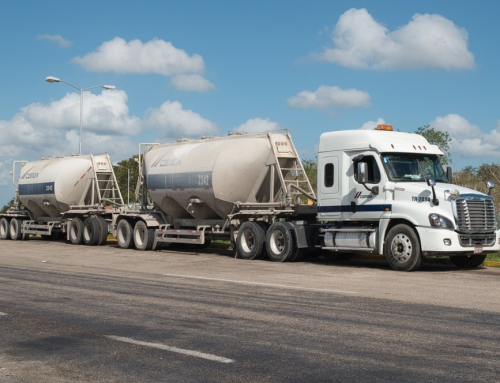
Pneumatic powder transportation is one of the most efficient ways to move dry bulk materials such as cement, fly ash, lime, flour, and industrial powders. However, even the most advanced pneumatic systems are affected by environmental conditions. Understanding the weather impact pneumatic powder transportation experiences throughout the year is essential for maintaining product quality, ensuring delivery schedules, and protecting equipment from unnecessary wear.
Weather can influence everything from material flow rates to unloading efficiency and driver safety. Companies that proactively account for changing conditions are better equipped to prevent delays, reduce maintenance costs, and provide reliable service to customers.
Understanding Pneumatic Powder Transportation
Pneumatic powder transportation uses compressed air to move dry bulk materials through specialized tanker systems. These trailers are designed to keep materials contained and uncontaminated while allowing efficient loading and unloading at delivery locations.
Because the process relies heavily on air pressure, material consistency, and specialized equipment, weather conditions can significantly impact overall performance. Even small changes in temperature or moisture levels can create challenges that affect productivity.
How Moisture Impacts Pneumatic Systems
Moisture is one of the biggest threats to pneumatic powder transportation. Many powdered materials are highly sensitive to water and humidity, making proper environmental control essential.
When moisture enters the system, materials can begin to clump together. These clumps reduce flow efficiency and may create blockages within hoses, valves, or unloading systems. In severe cases, moisture contamination can make an entire load unusable.
Humidity can also contribute to product buildup inside tanks and transfer lines. Over time, this buildup increases cleaning requirements and may reduce system performance.
To combat moisture-related issues, operators often inspect seals regularly, monitor weather forecasts, and ensure tanks remain properly sealed throughout transportation.
The Effects of Cold Weather on Material Flow
Winter conditions introduce a different set of challenges for pneumatic hauling operations. Cold temperatures can affect both the material being transported and the compressed air systems used to unload it.
As temperatures drop, air density changes, which can impact air pressure efficiency. Pneumatic systems may require additional pressure to move materials effectively, increasing strain on equipment and reducing unloading efficiency.
Cold weather can also affect certain powdered materials by making them less free-flowing. This can slow unloading times and create inconsistencies in material movement.
Proper equipment maintenance becomes especially important during colder months. Regular inspections help ensure compressors, valves, and pressure systems continue operating effectively despite lower temperatures.
Challenges Associated with High Heat
While cold weather presents its own concerns, excessive heat can be equally problematic. During summer months, prolonged exposure to high temperatures can place additional stress on pneumatic transportation equipment.
High heat may affect seals, gaskets, and hoses, causing them to wear more quickly than expected. This can increase the likelihood of leaks or equipment failures if maintenance schedules are neglected.
Temperature increases can also affect internal pressure levels within tanks and systems. Operators must carefully monitor pressure readings and follow manufacturer recommendations to avoid creating unsafe operating conditions.
By conducting routine inspections and replacing worn components proactively, fleets can reduce heat-related risks and maintain reliable performance throughout the hottest months of the year.
Storm Conditions and Transportation Delays
Severe weather events create some of the most significant challenges for pneumatic powder transportation. Heavy rain, high winds, snowstorms, and lightning can all impact operations.
Storm conditions frequently delay loading and unloading activities. Wet conditions can make work areas slippery and increase the risk of accidents during material transfer. Strong winds can affect vehicle stability, particularly when traveling on highways or open roads.
In addition to safety concerns, severe weather can create scheduling disruptions that impact delivery timelines. Route closures, reduced visibility, and traffic delays may force carriers to adjust plans on short notice.
Successful transportation companies develop contingency plans that allow them to adapt quickly when weather conditions change unexpectedly.
Equipment Maintenance Becomes More Important During Extreme Weather
Regardless of the season, proper maintenance is one of the most effective ways to minimize weather-related issues.
Routine inspections should focus on:
- Air compressors and pressure systems
- Hoses and unloading connections
- Tank seals and gaskets
- Moisture control systems
- Safety equipment and monitoring devices
Preventative maintenance helps identify potential problems before they lead to costly breakdowns or delivery disruptions.
Driver Training and Weather Awareness
Weather impacts more than equipment—it also affects drivers. Operators must understand how changing conditions influence pneumatic hauling performance and roadway safety.
Professional drivers receive training on navigating adverse weather, adjusting driving techniques, and monitoring equipment performance throughout each trip. This combination of operational knowledge and safety awareness helps protect both cargo and equipment.
For those interested in specialized transportation careers, opportunities such as trucking jobs in Utah provide hands-on experience with advanced pneumatic hauling systems and challenging transportation environments.
Planning Ahead for Weather-Related Challenges
The most successful pneumatic transportation operations are proactive rather than reactive. Monitoring forecasts, adjusting schedules, and preparing equipment before severe weather arrives can significantly reduce disruptions.
By understanding the weather impact pneumatic powder transportation faces throughout the year, companies can improve efficiency, maintain safety standards, and ensure consistent customer service regardless of environmental conditions.
Keeping Your Pneumatic Operations Weather-Ready
Weather plays a critical role in pneumatic powder transportation. Moisture can cause clumping and blockages, cold temperatures can reduce air pressure efficiency, excessive heat can damage system components, and storms can create operational delays and safety concerns.
Companies that prioritize preventative maintenance, driver training, and proactive planning are better positioned to overcome these challenges. With the right equipment, procedures, and expertise, Double D Distribution can keep your operations reliable and efficient in all types of weather conditions.