Not every shipment can be loaded onto a standard freight trailer and delivered without special consideration. Some materials require precise temperature control, sealed transportation systems, specialized tanks, or equipment designed to handle heavy bulk loads safely. For industries where product quality, workplace safety, and delivery timing are critical, specialized trucking services are essential to keeping operations running.
From transporting petroleum products to delivering agricultural commodities and sensitive pharmaceutical supplies, specialized carriers help businesses move materials that demand more than conventional freight transportation. Understanding which industries rely on these services also reveals why equipment, driver training, and dependable scheduling matter throughout the supply chain.
Why Standard Freight Is Not Always Enough
Standard freight transportation works well for many packaged goods, pallets, and general merchandise. However, certain materials have unique handling requirements that make conventional equipment unsuitable.
Liquid chemicals may require sealed tanks and carefully controlled unloading procedures. Industrial powders can need pneumatic systems to prevent contamination and product loss. Pharmaceuticals may require strict temperature monitoring, while petroleum products demand equipment appropriate for the material’s properties and associated safety risks.
Bulk density also plays a role. Heavy materials can reach legal weight limits before a trailer is filled to capacity, while fine powders may require specialized systems to move efficiently. Choosing the correct transportation method helps protect cargo, maintain regulatory compliance, and reduce unnecessary delays.
Oil and Gas: Keeping Energy Operations Moving
The oil and gas industry depends on reliable transportation to move materials between production sites, processing facilities, storage terminals, and distribution locations. Depending on the operation, shipments may include crude oil, petroleum products, drilling materials, and other industrial supplies.
These loads can require specialized tankers, pressure-managed equipment, or procedures designed for hazardous materials. Equipment selection depends on the specific substance being transported, its physical properties, and applicable safety requirements.
Timing is equally important. Production facilities and processing plants depend on predictable deliveries to maintain operating schedules. When transportation is delayed, equipment and personnel may sit idle, potentially affecting productivity across an entire operation.
Specialized carriers help energy businesses coordinate deliveries with operational requirements while ensuring drivers follow appropriate loading, transport, and unloading procedures.
Chemical Manufacturing: Safety Comes First
Chemical manufacturers often transport materials that require carefully controlled handling. Some substances are corrosive, flammable, reactive, or sensitive to environmental exposure. Standard freight equipment may not provide the containment, compatibility, or unloading capabilities these materials require.
Depending on the cargo, transportation may involve dedicated tankers, sealed containers, pressure-controlled systems, or specialized hoses and fittings. Equipment must be compatible with the substance being carried, and drivers need appropriate training for the assigned load.
Preventing contamination is another priority. Even minor residue from a previous shipment can create problems when equipment is not cleaned or prepared according to the required procedures.
Reliable chemical transportation combines suitable equipment, documented safety practices, and careful coordination between shippers, carriers, and receiving facilities.
Agriculture: Moving Essential Bulk Commodities
Agriculture depends on transportation to move products and supplies throughout the production cycle. Grain, fertilizer, animal feed, and other bulk commodities must reach farms, processing plants, storage facilities, and agricultural distributors.
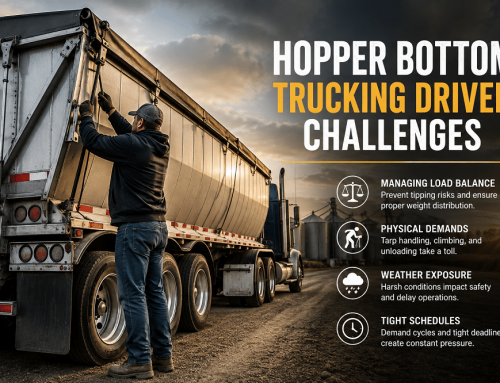
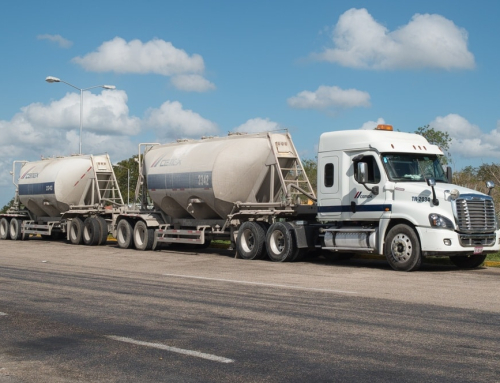
Specialized trailers make these deliveries more efficient. Hopper bottom trailers support gravity unloading for appropriate dry bulk materials, while pneumatic trailers can transfer certain powders through enclosed systems using compressed air.
Some agricultural products also require protection from moisture, contamination, or temperature fluctuations. Selecting the correct trailer helps preserve product quality and minimize material loss.
Demand often changes with planting and harvest seasons. Carriers must be prepared to respond to fluctuating shipment volumes while maintaining safe driving practices and dependable delivery schedules.
Mining: Transporting Heavy and Dense Materials
Mining operations rely on transportation to move minerals, processed materials, and the supplies needed to maintain production. Depending on the material and route, shipments may require specialized bulk trailers, tankers, or heavy-duty equipment.
High-density materials create particular challenges because weight limits can be reached before the available trailer space is fully used. Proper load planning and weight distribution are essential to protect vehicle stability, comply with transportation regulations, and reduce unnecessary wear on equipment.
Mining sites may also be located in remote areas with demanding road conditions. Coordinating routes, vehicle capabilities, loading facilities, and delivery windows helps prevent interruptions to production.
For mining companies, a reliable transportation partner can be an important part of maintaining an efficient supply chain.
Pharmaceuticals: Protecting Sensitive Products
Pharmaceutical transportation requires close attention to product integrity. Certain medicines, vaccines, biological products, and other healthcare supplies must remain within specified temperature ranges throughout transit.
Temperature-controlled vehicles, calibrated monitoring devices, and documented handling procedures help protect these shipments from damaging environmental conditions. Some products also require additional security measures or careful tracking throughout the delivery process.
A temperature excursion can compromise a sensitive shipment, making reliable monitoring and prompt communication essential. Carriers must understand the requirements for each load rather than assuming every pharmaceutical product has identical handling needs.
Because healthcare providers and distributors depend on timely deliveries, dependable transportation helps maintain product availability and supports critical operations.
Temperature-Controlled and Pressure-Sensitive Transportation
Across these industries, certain loads require more than basic cargo protection. Temperature-controlled transportation helps maintain appropriate conditions for sensitive products, while pressure-sensitive systems support the safe movement or transfer of materials that require controlled operating conditions.
For example, a refrigerated pharmaceutical shipment may need continuous temperature monitoring. A pneumatic powder delivery may depend on suitable air pressure, compatible hoses, and properly functioning valves. A tanker carrying a regulated substance may require equipment specifically approved for that cargo.
These requirements make preventative maintenance and equipment inspections particularly important. Carriers need to verify that systems are operating correctly before departure and that drivers understand the procedures for the equipment they use.
Why Just-in-Time Delivery Matters
Many specialized industries operate on carefully coordinated production schedules. Manufacturers need raw materials when production lines are ready. Agricultural facilities must move commodities during busy seasonal periods. Energy and mining operations depend on supplies arriving before existing inventory runs out.
This creates demand for just-in-time transportation, where deliveries are coordinated with operational needs to reduce unnecessary inventory and avoid production interruptions.
However, just-in-time delivery also leaves less room for unexpected delays. Traffic, severe weather, equipment breakdowns, and loading complications can affect schedules. Clear communication, realistic route planning, and proactive maintenance help carriers manage these challenges.
The goal is not simply to deliver quickly. It is to deliver safely and reliably within the timeframe the customer needs.
Choosing the Right Specialized Trucking Partner
Selecting a transportation provider starts with understanding the cargo. Businesses should consider the material’s weight, density, temperature sensitivity, hazard classification, and unloading requirements before choosing equipment.
Experience with the relevant transportation method also matters. A carrier handling pneumatic powders needs different equipment and operating procedures from one transporting temperature-sensitive pharmaceuticals or regulated chemicals.
Businesses should also evaluate maintenance practices, driver qualifications, communication, and the carrier’s ability to coordinate delivery schedules. These factors help determine whether a transportation partner can support both immediate shipments and long-term operational demands.
Building a More Reliable Supply Chain
Specialized trucking services play a vital role in industries where cargo sensitivity, hazardous properties, bulk density, or strict delivery schedules make standard freight insufficient. Oil and gas companies need dependable energy logistics, chemical manufacturers require careful material handling, agricultural businesses depend on seasonal capacity, mining operations must account for heavy loads, and pharmaceutical suppliers need to protect sensitive products.
For businesses and individuals exploring truck driving jobs in Utah, specialized transportation also highlights the skills and equipment knowledge needed to support demanding freight operations.
With the right equipment, trained drivers, and coordinated scheduling, Double D Distribution helps support the movement of essential materials and the supply chains that businesses rely on every day.