Hopper bottom trucking plays an important role in transporting agricultural commodities, construction materials, and other dry bulk products efficiently. However, working behind the wheel of a hopper bottom truck involves challenges that go beyond driving from one destination to another. Drivers must manage changing loads, physically demanding equipment, unpredictable weather, and delivery schedules that can shift quickly.
Understanding these hopper bottom trucking driver challenges provides valuable insight into what it takes to succeed in this specialized area of transportation.
Understanding Hopper Bottom Trucking
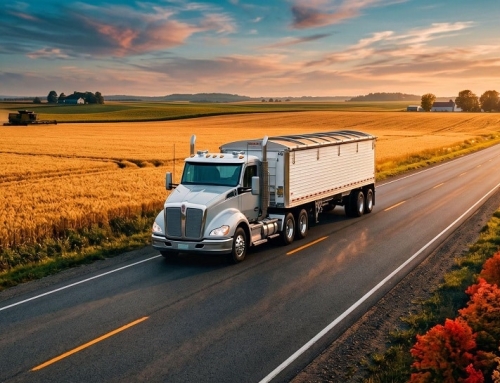
Hopper bottom trailers are designed with tapered compartments that allow dry bulk materials to be unloaded through openings at the bottom of the trailer. This design makes unloading efficient, particularly for products such as grain, feed, seed, fertilizer, and other bulk commodities.
While the trailer design improves efficiency, it also requires drivers to understand how cargo behaves during loading, transportation, and unloading. A driver has to think ahead because mistakes involving weight, equipment, or weather can create serious operational problems.
Managing Load Balance and Weight Distribution
One of the most important responsibilities in hopper bottom trucking is maintaining proper load balance. Agricultural and bulk materials can shift or settle during transportation, making weight distribution especially important.
An improperly distributed load can place excessive weight on individual axles and affect vehicle handling. In extreme situations, poor weight distribution can contribute to instability and tipping risks.
Drivers need to pay close attention during loading and verify that cargo is distributed appropriately throughout the trailer. They also need to monitor axle weights and comply with applicable weight restrictions before getting on the road.
Physical Demands of the Job
Driving may be the primary responsibility, but hopper bottom trucking can involve considerable physical work. Drivers may need to climb onto equipment, handle tarps, inspect components, connect equipment, and manage unloading procedures.
Tarp handling can be particularly demanding. Large tarps must be positioned securely over the cargo, sometimes in challenging conditions or around elevated trailer areas. Repeated climbing and equipment handling can also contribute to fatigue.
Experienced drivers understand the importance of using proper techniques and taking reasonable precautions when performing these tasks. Maintaining awareness around trailer surfaces, ladders, platforms, and moving equipment can reduce unnecessary risks.
Weather Can Change the Entire Job
Weather is another major challenge for hopper bottom drivers. Rain, snow, ice, extreme heat, and strong winds can affect both transportation and loading or unloading operations.
Wet conditions can make trailer surfaces slippery, while snow and ice can make climbing and tarp handling more hazardous. Strong winds may make large tarps difficult to control and can create additional concerns when operating around open loading areas.
Road conditions can become equally challenging. Drivers may need to adjust their speed, increase following distances, or modify routes when severe weather affects visibility and traction.
Tight Delivery Schedules
Hopper bottom trucking is closely connected to agricultural production and seasonal demand. That means delivery volumes can fluctuate significantly throughout the year.
During busy agricultural periods, drivers may face tighter schedules and higher shipment volumes. A delay at one location can affect the rest of the driver’s schedule, creating a difficult balancing act between meeting customer expectations and operating safely.
Good communication is essential in these situations. Drivers need to stay informed about loading appointments, unloading locations, traffic conditions, and schedule changes while maintaining compliance with hours-of-service requirements.
Unpredictable Agricultural Demand Cycles
Agricultural transportation doesn’t always follow a consistent year-round pattern. Harvest seasons, weather conditions, crop production, and market activity can all influence freight demand.
A driver may experience periods of extremely high demand followed by slower periods. During peak seasons, the increased workload can mean more trips, longer days, and tighter turnaround expectations.
Adaptability is therefore an important quality for hopper bottom drivers. Being prepared for changing schedules and freight volumes can make it easier to navigate the industry’s seasonal nature.
Equipment Inspections Matter
Preventative equipment inspections are another essential part of the job. Drivers should pay attention to tires, brakes, trailer components, tarp systems, hopper gates, lights, and other critical equipment.
Small problems can become major disruptions if they are ignored. A damaged tarp or malfunctioning hopper gate, for example, can delay loading or unloading and potentially create additional safety concerns.
Regular inspections give drivers an opportunity to identify problems before they interfere with a delivery.
Staying Safe During Unloading
Unloading a hopper bottom trailer requires attention and careful coordination. Drivers need to understand how the trailer’s gates and discharge system operate and ensure the unloading area is appropriate for the task.
The surrounding environment matters, too. Drivers should remain aware of overhead obstacles, uneven surfaces, other vehicles, and personnel working nearby.
Following established procedures helps keep unloading operations controlled and predictable.
Skills That Help Hopper Bottom Drivers Succeed
Successful hopper bottom drivers need more than basic driving skills. They benefit from strong situational awareness, mechanical knowledge, communication abilities, and attention to detail.
They also need to understand how different cargoes behave and how environmental conditions can affect their equipment and driving performance.
These skills become particularly valuable during peak agricultural seasons when schedules are demanding and conditions can change quickly.
Building a Career in Hopper Bottom Trucking
For drivers who enjoy specialized freight transportation, hopper bottom work can offer an opportunity to build valuable industry experience. The work combines traditional over-the-road driving with equipment management, cargo handling, and agricultural logistics.
Those exploring trucking jobs in Utah can consider specialized opportunities that provide exposure to hopper bottom operations and the unique demands of dry bulk transportation.
Preparing for the Challenges Ahead
The challenges associated with hopper bottom trucking are manageable when drivers have proper training, reliable equipment, and strong support. Load distribution, physical demands, weather, and unpredictable agricultural schedules all require drivers to stay alert and adaptable.
For a transportation company, supporting drivers means providing dependable equipment, clear expectations, and an environment where safety remains a priority. Double D Distribution understands that experienced drivers are essential to maintaining reliable freight operations and meeting customer needs.
Building a Stronger Future on the Road
Hopper bottom trucking requires a combination of skill, preparation, physical awareness, and adaptability. From carefully balancing agricultural loads to handling tarps and navigating changing weather, drivers face a wide range of responsibilities throughout every trip.
The right support can make those responsibilities more manageable. With a focus on dependable transportation and professional service, Double D Distribution helps drivers approach specialized hauling with confidence while supporting the customers and industries that depend on timely bulk freight transportation.