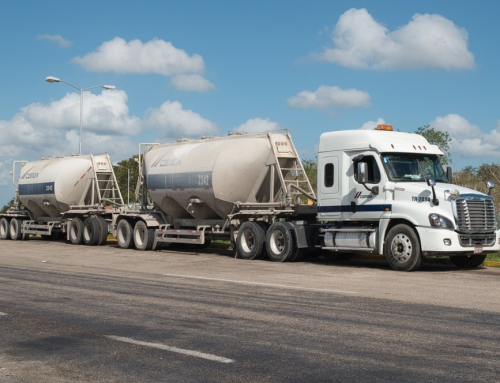
Proper mounting of mobile asphalt pump units is one of those details that can make or break field performance. A poorly secured skid or trailer setup doesn’t just risk equipment damage—it can lead to unsafe transport conditions, misalignment, and costly downtime once the unit arrives on site. When dealing with mobile asphalt pump mounting, precision and compliance are non-negotiable.
Whether the unit is used for road construction, maintenance, or industrial asphalt handling, ensuring it is correctly mounted is essential for both safety and operational efficiency. Suppliers like Asphalt & Emulsion Pump Sales emphasize proper installation standards because mounting directly impacts pump lifespan and performance.
Check Load Distribution for Safe Transport
One of the first steps in mounting a mobile asphalt pump is ensuring proper weight distribution across the skid or trailer frame. Uneven loading can create serious transport risks.
- Balance the pump centrally on the trailer or skid
- Avoid excessive weight on one axle or corner
- Confirm that the frame is rated for the total operational weight, not just static weight
Improper load distribution can lead to axle strain, frame twisting, or instability during transport. Over time, this can also affect alignment, causing unnecessary wear on pump components.
Use Vibration Isolation Systems
Mobile asphalt pumps are exposed to constant movement, road vibration, and mechanical stress during transport. Without proper dampening, these forces can damage internal components.
- Install anti-vibration pads between the pump and mounting frame
- Use rubber or composite dampeners to absorb shock loads
- Ensure mounting bolts are torqued correctly but not overly rigid
Vibration isolation helps protect seals, bearings, and internal pump components from long-term fatigue. It also improves operational stability once the pump is deployed at a job site.
Secure Hose and Power Routing
Loose hoses and cables are one of the most common causes of damage in mobile asphalt pump systems. Proper routing ensures safety and prevents system failure during transit.
- Secure all hydraulic, product, and discharge hoses with rated clamps
- Route electrical wiring through protected conduits
- Avoid sharp bends or pinch points that could cause wear or rupture
- Use tie-down points designed specifically for mobile industrial equipment
Good routing practices reduce the risk of chafing, accidental disconnections, or leaks during transport. It also simplifies setup when the unit arrives on-site.
Verify Regulatory Compliance
Compliance is a critical part of any mobile asphalt pump mounting setup. Regulatory standards exist to ensure safe transport and proper operation of industrial equipment on public roads.
- Follow DOT transport guidelines for mobile machinery
- Ensure OEM mounting specifications are strictly adhered to
- Confirm weight, height, and width restrictions for transport routes
- Maintain documentation for inspections and certifications
Failure to comply can result in fines, delays, or unsafe operating conditions. Working with experienced providers such as Asphalt & Emulsion Pump Sales ensures equipment meets both manufacturer and transportation regulations.
Importance of Structural Reinforcement
Beyond basic mounting, structural reinforcement plays a key role in long-term performance. Mobile asphalt pump units often experience repeated loading and unloading, which can weaken mounting points over time.
- Reinforce skid frames at high-stress points
- Inspect welds regularly for signs of fatigue or cracking
- Use corrosion-resistant materials in high-moisture environments
A reinforced structure helps maintain alignment and reduces long-term maintenance costs.
Pre-Deployment Inspection Checklist
Before moving any mobile asphalt pump unit, a full inspection should be performed:
- Confirm all mounting bolts are torqued to specification
- Check load balance and axle distribution
- Inspect hoses and electrical lines for secure routing
- Test vibration isolation components for wear or damage
- Verify compliance documentation is complete
This final check ensures the unit is safe, stable, and ready for transport or operation.
Why Proper Mounting Impacts Pump Performance
Mounting isn’t just about transport safety—it directly affects how the pump performs in the field. Misalignment or vibration damage can reduce efficiency, increase downtime, and shorten equipment lifespan.
Proper mobile asphalt pump mounting ensures:
- Consistent flow performance
- Reduced mechanical wear
- Improved safety during operation
- Longer service life of critical components
Conclusion
Ensuring proper skid or trailer mounting for mobile asphalt pump units ultimately comes down to precision, compliance, and durability. When every component is correctly secured—from load distribution to vibration control—the result is safer transport and more reliable field performance. Working with an experienced supplier like Double D Distribution gives operators access to properly engineered equipment, expert guidance, and proven solutions designed to perform under demanding asphalt conditions.
FAQs
Why is load distribution important in mobile asphalt pump mounting?
It prevents axle strain, frame twisting, and instability during transport.
What is the purpose of vibration isolation?
It protects pump seals and bearings from road and operational shock.
How should hoses and cables be secured?
They should be clamped, routed through protected paths, and kept free of tension or sharp bends.
What regulations apply to mobile asphalt pump transport?
DOT standards and OEM mounting specifications must both be followed.
Why choose professional suppliers for mounting systems?
Companies like Asphalt & Emulsion Pump Sales ensure compliance, durability, and optimal performance.